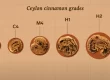
When researching Ceylon cinnamon online, many websites show theoretical grade charts that do not match real-world export standards. In practical cinnamon production, diameter and grade can vary depending on bark thickness, peeling technique, and sorting skill.
Below is the correct practical diameter guide used by professional cinnamon exporters and factories in Sri Lanka.
Practical Cinnamon Stick Diameter by Grade
| Grade | Practical Diameter (Export Standard) | Notes |
|---|---|---|
| ALBA | 10mm ±2mm | Premium thin sticks. Theoretical size is 6–8mm, but real export ALBA is 9–11mm. |
| C5 Special (C5 SP) | 12-14mm | Uniform, smooth, high-aroma sticks; slightly thicker than ALBA. |
| C5 | 14–16mm | Diameter depends on roll tightness and peeler sorting skill. |
| C4 | 16–18mm | Thicker sticks; still smooth with good oil content. |
Why Diameter Variation Happens
Unlike machine-made products, Ceylon cinnamon sticks are handmade. The inner bark is rolled by experienced cinnamon peelers, and no two bark layers are identical.
This natural process causes small tolerances in size:
- Bark thickness changes from tree to tree
- Rolling pressure varies with hand technique
- Moisture levels during drying affect diameter
- Sorting is done by humans, not machines
So it is normal and accepted for all grades to have a ±2mm variation.
One Tree → Many Grades
All sticks come from the same cinnamon tree.
The grade only depends on:
- The softness and thinness of the bark
- The tightness of the roll
- The smoothness of the surface
- The skill of the peeler and sorter
This is why grade differences exist even within one harvest.
Why ALBA is Commonly 10mm Instead of 6mm
Online sources often mention 6–8mm ALBA, which is a textbook reference.
However, in real export markets, ALBA is naturally:
9–11mm in diameter → Practical Standard: 10mm ±2mm
This size maintains:
- Premium smooth appearance
- Fine roll structure
- High volatile oil content
- Superior fragrance and flavor
This is the internationally accepted commercial ALBA standard.